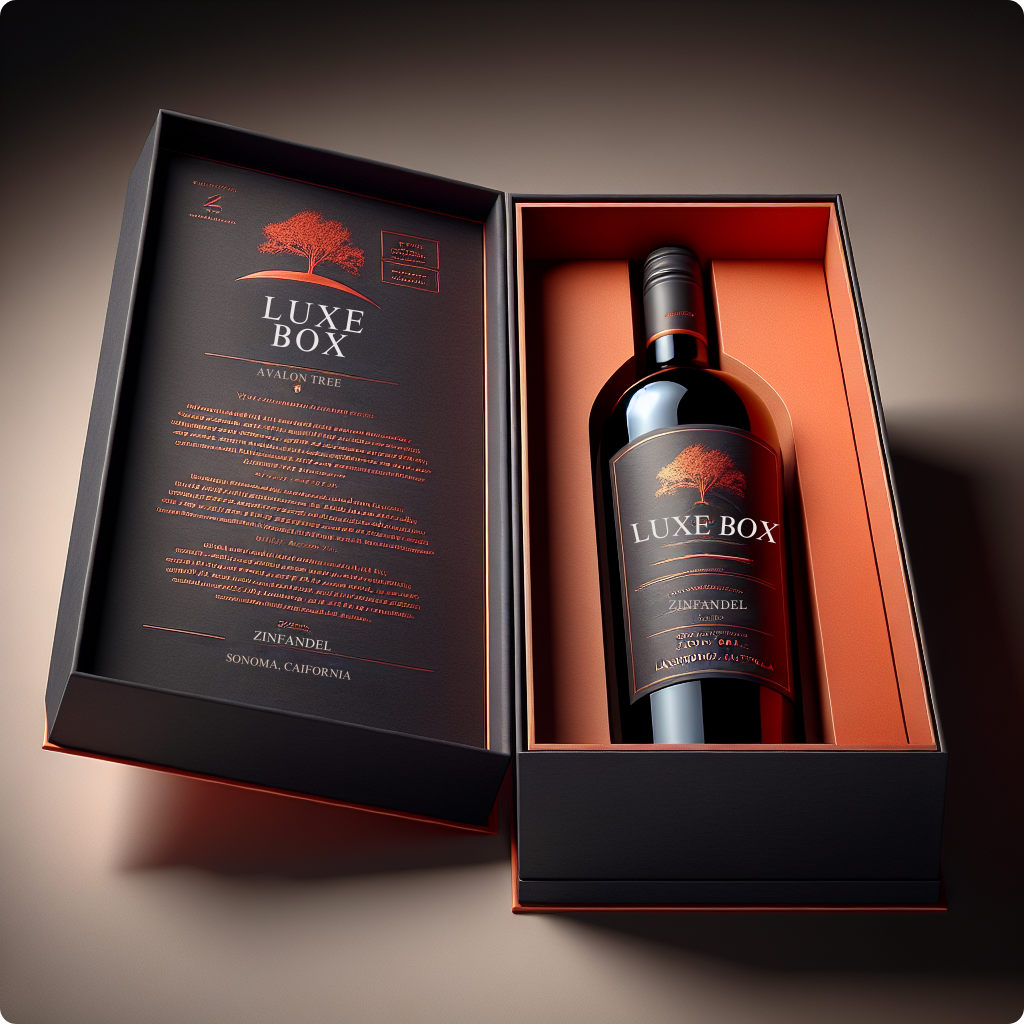
Minimalism With Material Depth
The dominant aesthetic in wine and spirits packaging continues to move toward restraint — fewer design elements, more negative space, cleaner typography. But this minimalism is not cheap. It relies on extraordinary material quality to carry the visual weight that color and decoration previously did. Soft-touch lamination, uncoated kraft boards, and blind embossed logos are defining the category's most premium expressions.
The logic is simple: when you remove ornament, material becomes the message. A soft-touch box with a foil-stamped crest communicates confidence. It says the brand does not need to shout.
The Gift Box Resurgence
After years of e-commerce growth driven by utilitarian shipping packaging, there is a clear resurgence in gift-first packaging design. Consumers are buying wine and spirits as gifts more than ever — birthdays, corporate events, holidays, celebrations — and they want the packaging to communicate the occasion without requiring additional gift wrap.
Magnetic closure boxes for single and double bottles, with wood-form inserts, foil-stamped lids, and branded tissue paper inside, are among the most requested products we produce. These boxes arrive ready to gift.
Personalization at Scale
Digital printing advances have made short-run personalized labels and boxes increasingly accessible. Wineries and spirits brands are offering custom labels for weddings, corporate events, and milestone occasions — and the box packaging follows. Low MOQ runs allow brands to create seasonal, limited-edition, or event-specific packaging without the financial risk of a large production run.
Sustainable Materials — Without Compromise
Sustainability is no longer optional in the spirits category, particularly among younger consumer demographics. But the expectation is clear: sustainable packaging must look and feel as premium as conventional options. FSC-certified boards, water-based inks, and recyclable structures are meeting this demand without sacrificing the tactile quality that the category demands.
We have seen strong uptake of our recycled content rigid boxes among craft spirits brands in particular — the natural texture of the board actually complements the artisanal brand story these producers want to tell.
Labels That Work Harder
The bottle label remains the primary brand surface in retail environments, and 2026 is seeing renewed investment in label quality. Waterproof synthetic stocks, foil accents, die-cut shapes that break the rectangular convention, and embossed seals are all prominent. The trend is toward labels that feel like they belong on a collector's item — even at accessible price points.
Planning Your Packaging
Whether you are launching a new wine, refreshing a spirits brand, or creating a gifting collection, our team can help you navigate material and finish options that match your brand positioning and budget. Start a conversation — we respond within 24 hours.